The Long-Term Perspectives of Obama’s Unclear Middle East Policy

 Commentary by Takuya Matsuda – 25 September 2011
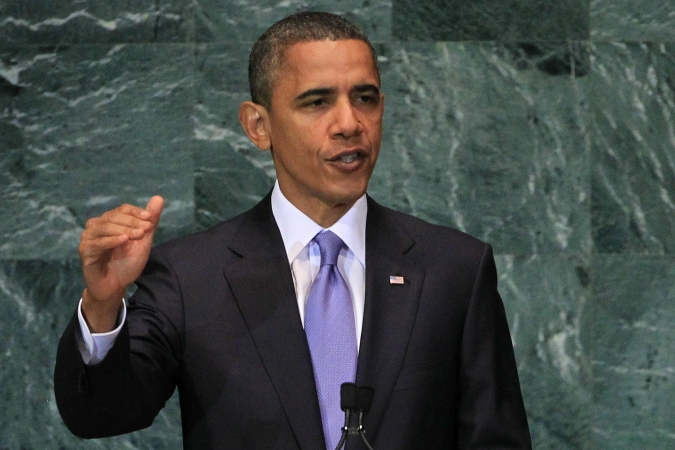
Source: blogs.aljazeera.net

Amid the political upheaval in the Middle East, the Obama administration has come under heavy criticism for what many analysts and activists describe as a government with no coherent policy in the region. Others have claimed that Obama is little more than an opportunist who changes his stances in accordance with the evolution of particular situations, rather than basing his policy on democratic and just principles. Continue reading
Leave a comment

Filed under Arab Spring, English, Foreign Policy & IR

Le printemps arabe 2011, un 11 septembre inversé ?

Par Omar Saghi – 14 septembre 2011

Photo par Mélissa Rahmouni

Le vingtième siècle arabe est une horlogerie de grande précision. Chaque quart de siècle y fut entamé par une vague de révolutions : les années 1920 furent celles du triomphe des notables post-ottomans, libéraux et anglophiles, les années 1950 celles des armées révolutionnaires, les années 1970 enfin des « infitah » pro-américains, autoritaires et capitalistes. L’Egypte, l’Irak, la Syrie et, sous des variantes à peine perceptibles, le Yémen, la Libye et l’Algérie se plièrent aux mêmes figures. Cette valse à trois temps fut expliquée par des causes variées, parfois contradictoires. Mais tout porte à penser que le renouvellement générationnel fut le premier moteur, surdéterminant le reste. Continue reading

Leave a comment

Filed under Arab Spring, Français

Erdogan’s New Doctrine: How the Turks Finally Got it Right

Commentary by Tamer Mallat 12 September 2011

Source: NationalTurk.com

Since the AKP’s arrival to power in 2002 under the aegis of Recep Tayyip Erdogan, Turkish foreign policy could be best described as being schizophrenic. For a country situated at the crossroads of history’s ever-changing geopolitical fault lines, such a characterization is far from extraordinary. The Ottoman Empire, from its birth, its various metamorphoses, and its eventual demise, never once ceased to bear witness to the constant evolution of its neighbors on every front of its borders. Once the primary catalyst of change, the Sublime Porte, in the last few centuries of its life, quickly became a victim to external pressures and political seismic shifts. Today, the Turks appear to have finally gotten their act together in terms of developing a coherent and effective foreign policy. This though was the result of a long process marked by years of trial and error. Continue reading

5 Comments

Filed under English, Foreign Policy & IR, Turkey

Who Lost Lebanon? From Politics of Confrontation to Compromise

Commentary by Takuya Matsuda – 2 September 2011

Rafiq Hariri & Hassan Nasrallah

The year 2011 already seemed likely to flower into a turbulent year for the Middle East, even before the advent of the “Arab Spring” that toppled close to three dictators in the region. Hezbollah’s withdrawal from the national unity government in Lebanon, which kept the country’s chronic sectarian conflicts from resurfacing for the past few years, sparked fears that the Lebanese “time bomb” was finally going to explode. Nobody could have predicted “the Arab Spring”, a series of historical events that have rocked the region’s authoritarian regimes since January. Continue reading

Leave a comment

Filed under English, Foreign Policy & IR, Lebanon & Syria

كبش المحرقة

بقلم أسامة حريري – ٢٧ آب ٢٠١١

شهدت الأيّام الأخيرة سلسلة أحداث هزّت منطقة الشّرق الأوسط وأعلنت بداية سيناريو جديد. للوهلة الأولى ، قد تبدو هذه الأحداث عشوائيّة وغير مترابطة. لكن قي الواقع هي متّصلة ببعضها البعض وهدفها واحد. أماّ السّؤال الأبرز الذي يهمّنا هو : من هو المستفيد من هذه الفوضى المنظّمة ؟ ولماذا هذا التوقيت بالذات ؟ من الواضح جدّا ً اليوم أنّ أبرز الأزمات وأكثرها تعقيدا ً هي الأزمة التي تشهدها سوريا نظرا ً لموقعها الإستراتيجي بين العراق وتركيا ولبنان و إسرائيل. الأزمة في سوريا لم تعد تقتصر على نظام ٍ مستبدّ يقتل شعبه يوميا ً ، بل أيضا ً على لعبة دول ٍ كُبرى تتصارع في ما بينها . أحد أوجه هذا الصّراع هو إيراني –أميركي. Continue reading

1 Comment

Filed under Foreign Policy & IR, Iran, Lebanon & Syria, Palestine & Israel, Turkey, عربي

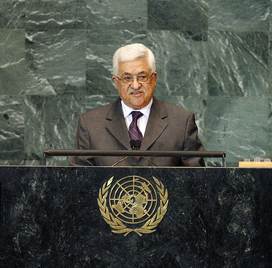
Questions and Uncertainties Regarding the Palestinian Statehood Bid

Commentary by Riccardo Dugulin – 25 August 2011

Mahmoud Abbas

Yasser Abed Rabbo, secretary general of the PLO, called it a ‘crime against humanity’ when on August 14 Syrian troops started firing indiscriminately at the Al Ramel Palestinian refugee camp in the Syrian town of Latakia. The prompt condemnation of these acts by the Arab League and the ongoing increase of sanctions against the Syrian crackdown appeared as a clear statement denouncing these events as a further criminal act in a five months long brutal repression by the Assad regime. Continue reading

2 Comments

Filed under English, Palestine & Israel

Why Libya 2011 is not Iraq 2003

Commentary by Janaina Herrera – 22 August 2011

Benghazi celebrates the adoption of the UNSC resolution 1973, 17 March 2011

Many, including China, Russia and other emerging powers[1] have opposed a UN Security Council (UNSC) resolution condemning the Syrian regime for its ruthless crackdown on protestors. For many of these countries, the reproduction of the Libyan precedent has been a major cause for fear. They believe that any harsh condemnation of Damascus’s tyrannical repression could unleash a sequence similar to that of the Libyan scenario: condemnation would lead to multilateral sanctions, and from there to the possibility of military intervention if other methods were to prove ineffective. The intervention in Libya has been the cause for debate. For many, criticism has revolved around the idea that NATO military action in Libya is associated with the Iraq War of 2003. In the context of current massive human rights violations in Syria and other restive Arab states, such a comparison merits considerable attention. Continue reading

5 Comments

Filed under Arab Spring, English, Iraq, Libya